
Rhinoplasty
Preparing to Travel from Oman for Rhinoplasty
A pre-travel rhinoplasty checklist for Oman: clinical questions, records, insurance, medicines, support, communication, and a flexible return plan.
A well-prepared journey is not an attempt to control every medical outcome. It is a way to reduce avoidable confusion. You should know which questions belong to the surgeon, which documents belong in your travel file, who handles communication, what support you will have after treatment, and what can change. Do not let a travel schedule force a clinical decision or treat a marketing message as a medical assessment.
Start with the clinical plan
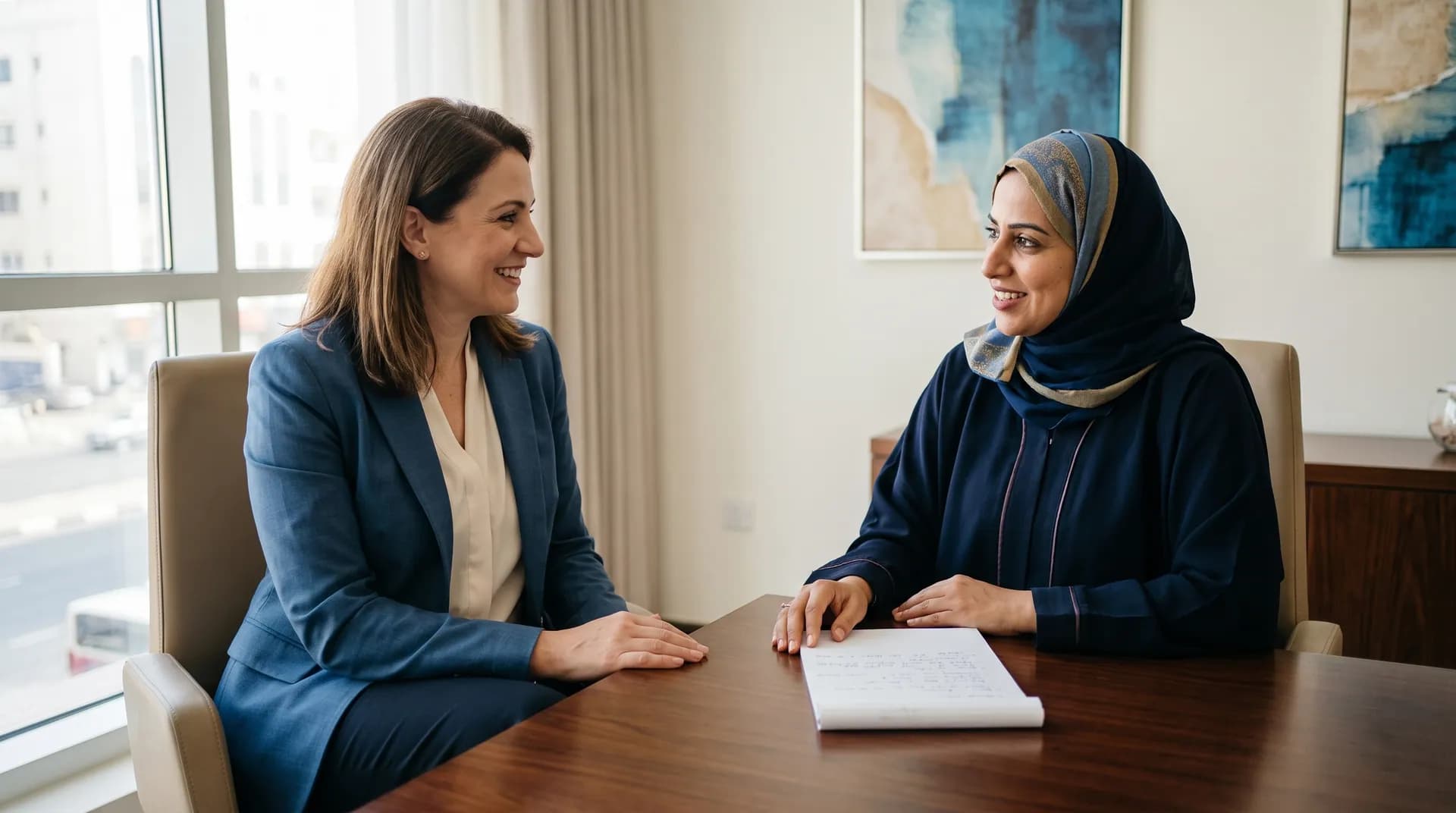
The first preparation step is a consultation with the surgeon who may treat you, not only a conversation with a sales representative. Describe your goals, breathing concerns, previous injury or surgery, allergies, medicines, smoking, general health, and any practical issue that may affect recovery. Ask what examination, photographs, laboratory tests, or other information the team requires. Do not start, stop, or change a medicine because of a general article. Ask the clinician who knows your case.
- What procedure is being considered, and what is outside its scope?
- Who will assess and treat me, and where will the procedure take place?
- What risks, alternatives, recovery limits, and warning signs should I understand?
- What records, examination findings, tests, or photographs are needed before a decision?
- When is the first review, and what must happen before I travel home?
- Who gives instructions about medicines, dressings, activity, and flying?
The American Society of Plastic Surgeons says preparation may include laboratory testing, medication adjustments directed by the surgeon, stopping smoking, and avoiding some medicines or supplements that can increase bleeding. It also advises arranging transport to and from surgery and someone to stay with the patient for at least the first night. These are general preparation points. Your treating team decides what applies to you.
Before sending records or paying a deposit, use rhinoplasty consultation questions to structure the clinical conversation. If the surgeon or facility evidence is still unclear, how to choose a rhinoplasty surgeon and hospital covers the checks that belong before a booking decision.
Build a private travel file
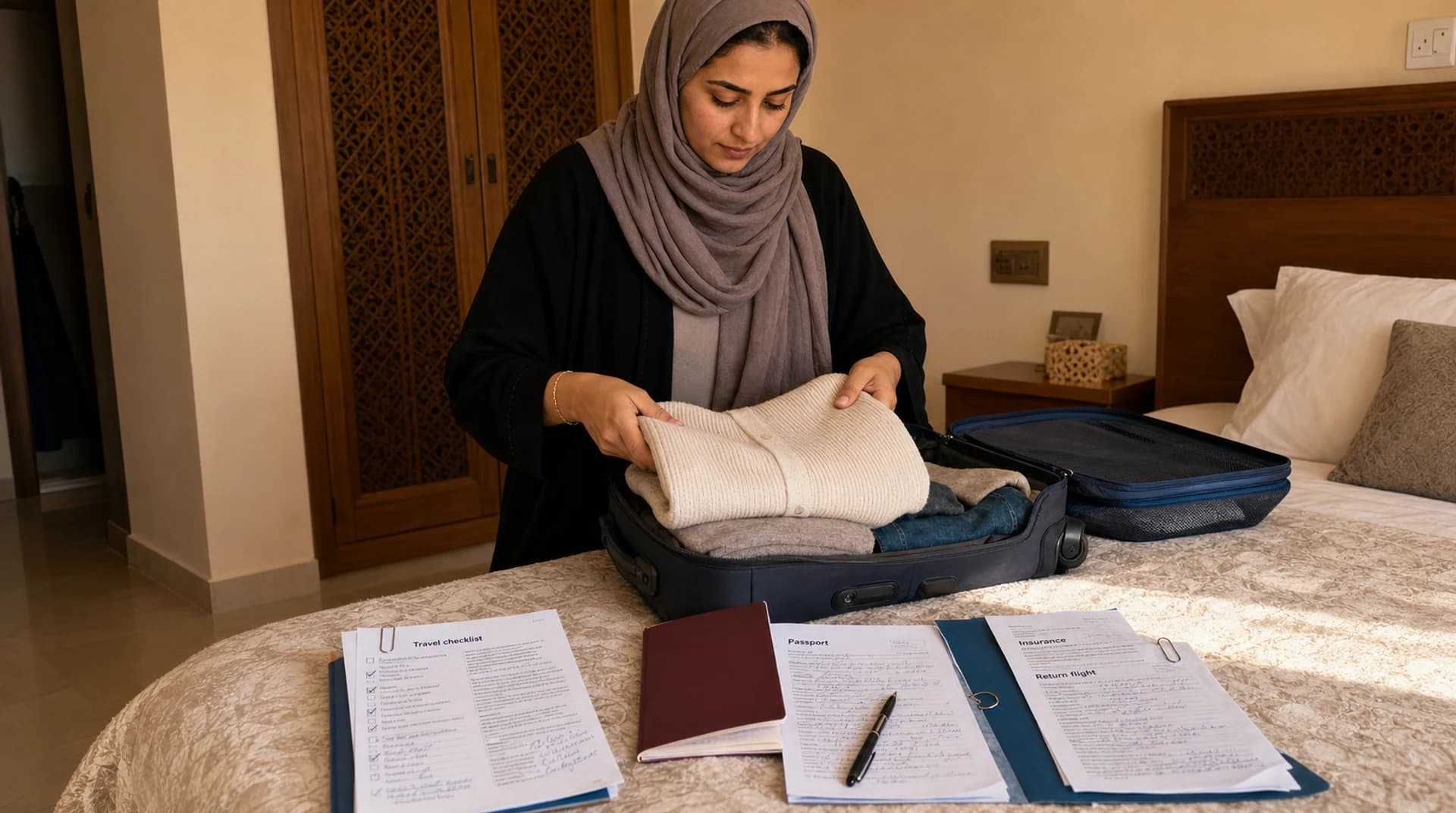
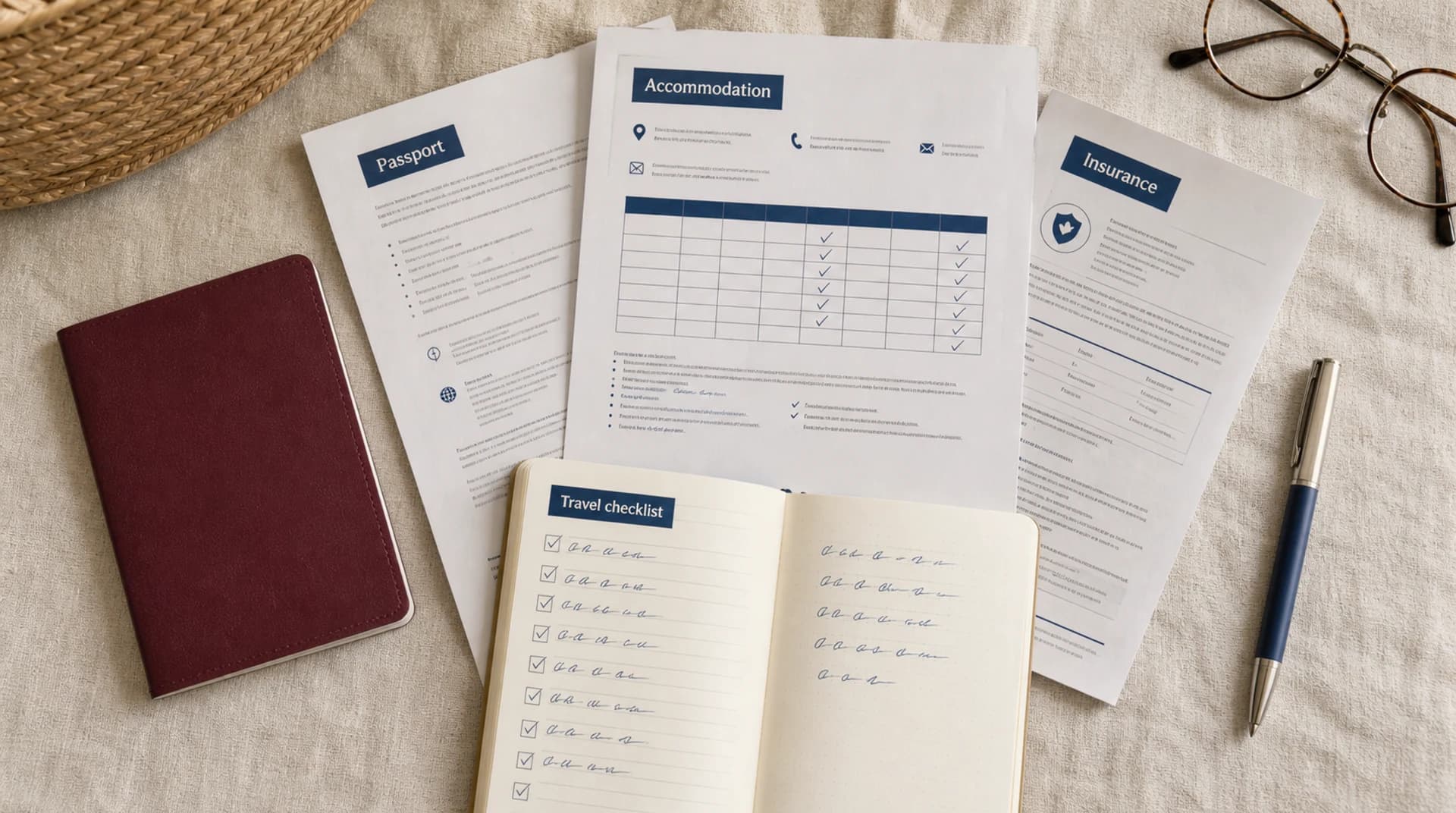
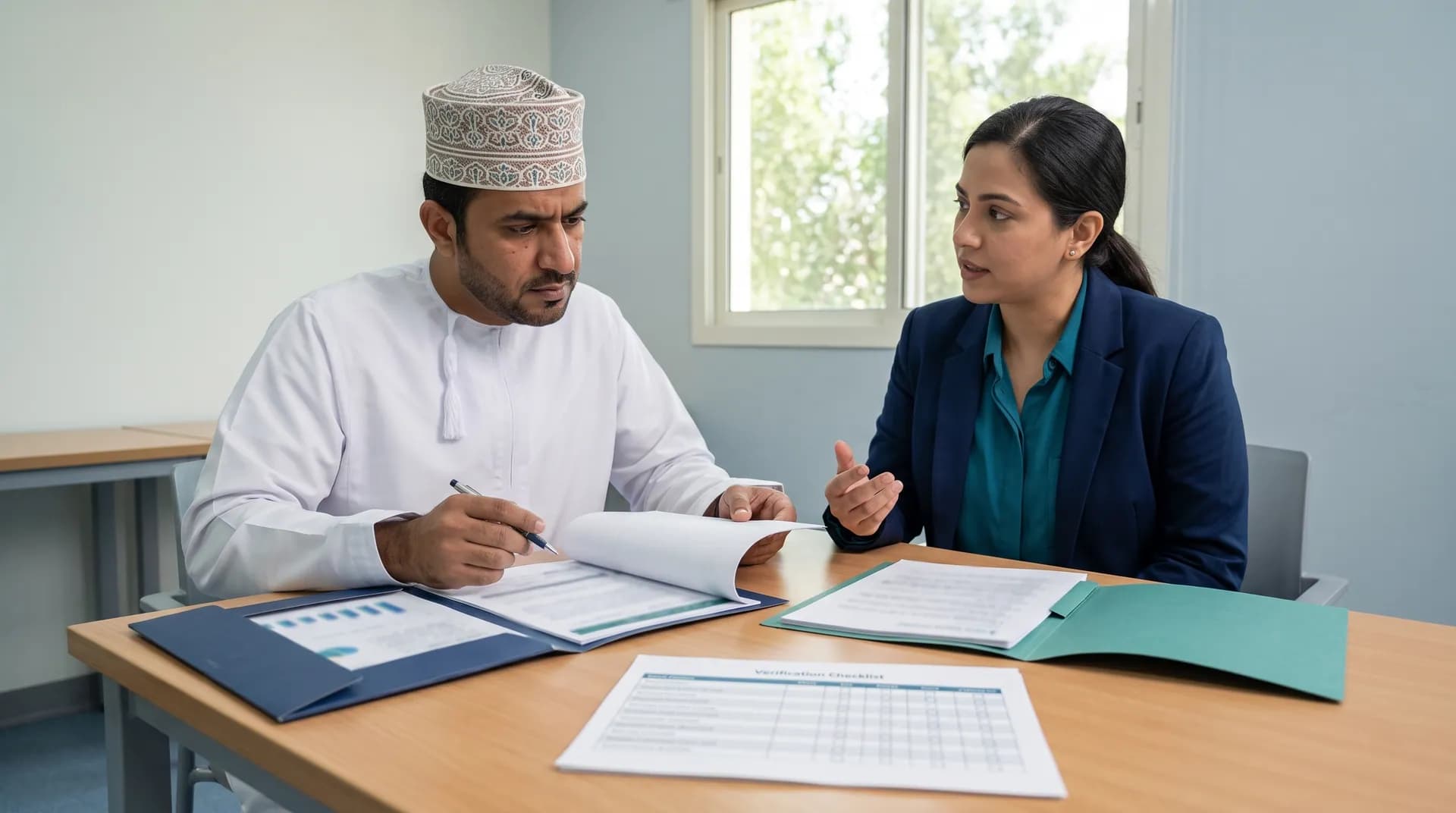
Keep the documents you need in one secure place, with a backup that you can access without exposing medical details publicly. Check the current passport, entry, and travel requirements for your nationality and destination through official sources. Do not rely on an old message or an unverified social-media list. Ask the provider and the relevant authorities which documents are required for your specific journey.
- Passport and any current travel or entry documents required for your route.
- The written consultation summary, consent information, quote, and package terms.
- A list of medicines, allergies, relevant health history, and copies of requested test results.
- The accommodation address, transfer details, treating-team contact, coordinator contact, and emergency route.
- Insurance documents, with clear answers about elective treatment abroad, complications, emergency care, and evacuation.
- Copies of the records you receive before returning, stored securely for follow-up in Oman.
The CDC advises medical tourists to carry copies of medical records, bring medicines in their original packaging with a medication list, and obtain copies of overseas records before returning. It also recommends discussing destination and health risks with a travel-health professional. Aysara can help organize a non-clinical document route, but medical details should go only through the agreed private channel.
Plan the practical recovery, not a holiday
Cosmetic surgery abroad still requires recovery time. The NHS advises people not to treat the period immediately after surgery as a holiday and to think in advance about rest, check-ups, complications, and the possibility of needing more care. Pack for comfort and ordinary needs rather than sightseeing. Choose clothing that does not require pulling tightly over your face, bring only medicines approved or prescribed for you, and leave room for the plan to change.
- Prescribed medicines and a written medication list, kept in original packaging unless your clinician or travel authority says otherwise.
- Loose, comfortable clothing and personal items that make rest easier without putting pressure on the nose.
- A travel companion or a clearly arranged support plan for transport, luggage, meals, and the first night.
- A realistic accommodation plan near the treating facility for the expected review period.
- A reserve for a changed ticket, extra night, additional transport, or care that is not included in the package.
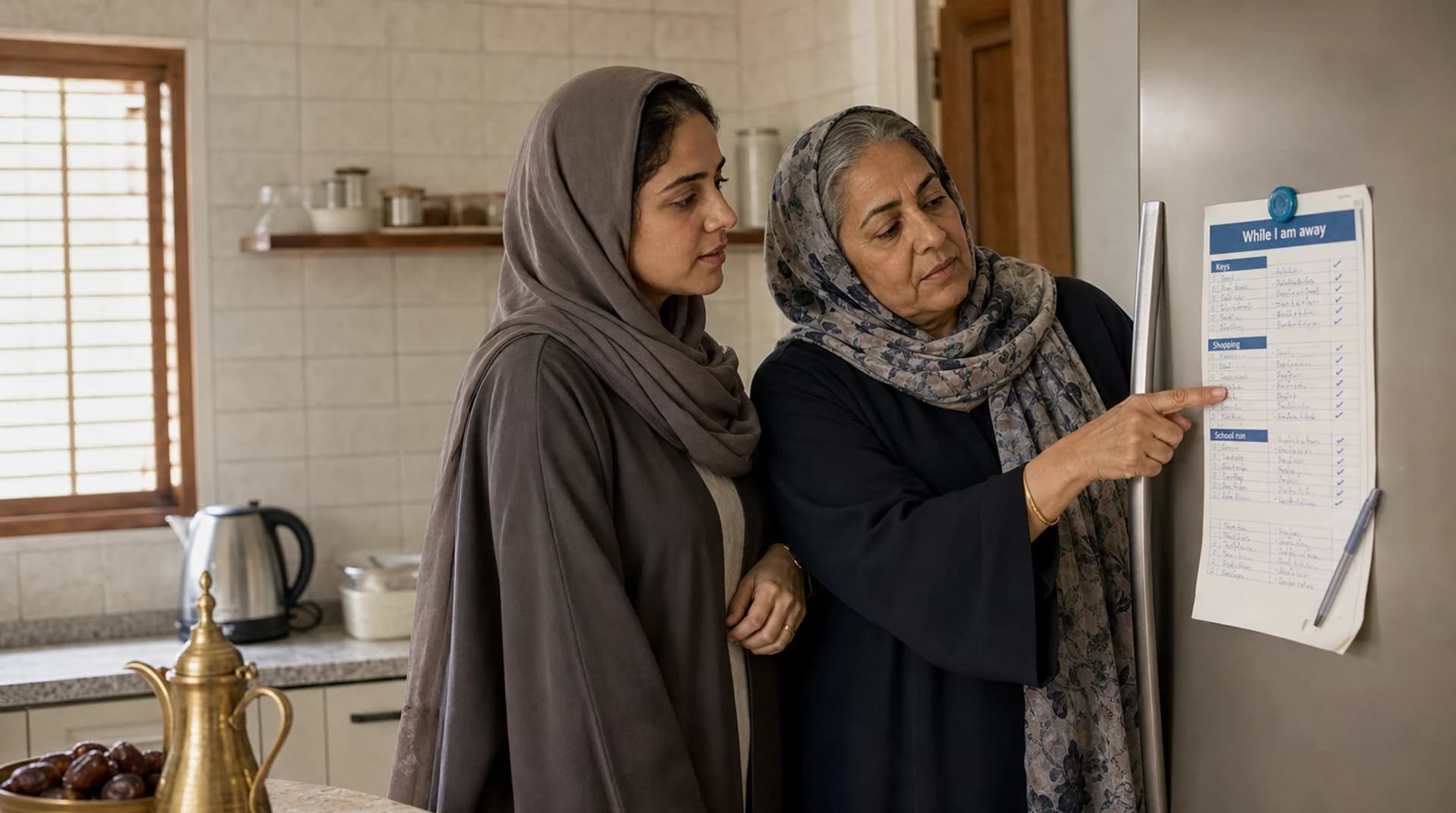
- A home plan for work, children, errands, meals, and help during the first days after returning to Oman.
Do not add exercise, tours, sun exposure, swimming, or other activities to the itinerary unless the treating team says they are appropriate. The early recovery plan belongs to the surgeon. A flexible schedule is not pessimism; it recognizes that examination findings and healing can change the next step.
Agree the communication and handover
Before you travel, write down who answers which question. The surgeon or clinical team should answer clinical questions, including candidacy, medicines, activity, warning signs, and flying. The facility should explain its own discharge and follow-up process. A coordinator can help with non-clinical scheduling, translation, transfers, and document flow when those services are agreed. Do not send a clinical question into a public comment, a marketing form, or an informal group chat.
Ask how you will receive your operative and discharge records, how the first follow-up is arranged, and who will respond if a concern arises after you return home. The CDC notes that follow-up after treatment abroad may be difficult or expensive and may not be covered by domestic insurance. Clarifying responsibility before travel gives you a better handover, but it does not remove the possibility of complications.
A short checklist before departure
- The treating surgeon, facility, clinical scope, risks, and consent process are clear.
- The records and tests requested by the clinical team are ready and shared privately.
- The package lists inclusions, exclusions, follow-up, change terms, and additional-cost responsibilities.
- The travel, entry, accommodation, transfer, insurance, and emergency documents are current.
- Medicines, allergies, health history, and a support person's contact details are organized.
- The return ticket is flexible enough to follow the surgeon's post-operative decision.
- Home responsibilities and a rest plan are arranged for the return period.
- You know which route to use for a clinical concern and which route to use for logistics.
What Aysara handles
Aysara helps coordinate the Oman-to-Iran journey on the non-clinical side. That can include organizing questions, translating or passing agreed information, coordinating schedules, and keeping travel communication together. Aysara does not diagnose, decide whether you are a candidate, change prescribed medicines, choose a technique, approve a flight, or promise an outcome. Nikan and the treating surgeon make the clinical decisions and provide clinical care.
Read the Oman rhinoplasty travel planning guide for the wider patient journey. The package checklist explains what to confirm in writing, while rhinoplasty cost factors separates a clinical quote from travel and contingency costs. The flying home guide explains why the return date must follow the treating team's decision. You can begin a non-clinical question on the rhinoplasty coordination page.
Preparation should leave room for a clinical decision
Good preparation does not mean that surgery must go ahead. It means that you can pause when the examination, consent discussion, insurance terms, travel conditions, or follow-up plan is not clear. Start early, keep medical questions with the treating team, protect your records, and build a flexible journey. The decision to operate and the decision to travel remain clinical decisions for the qualified professionals responsible for your care.
Sources
- CDC: Medical Tourism (accessed 2026-09-01)
- CDC Yellow Book: The Pre-Travel Consultation (accessed 2026-09-01)
- NHS: Cosmetic surgery abroad (accessed 2026-09-01)
- American Society of Plastic Surgeons: Rhinoplasty preparation (accessed 2026-09-01)
- American Society of Plastic Surgeons: Briefing paper, cosmetic surgery tourism (accessed 2026-09-01)
- Aysara internal provider record: Nikan international-patient coordination
Related articles

Rhinoplasty
How to Plan Rhinoplasty Travel from Oman: A Practical Guide
A rhinoplasty travel checklist from Oman to Iran covering case review, surgeon and hospital checks, quotes, travel documents, and follow-up.
Rhinoplasty
Rhinoplasty Consultation: Questions to Ask Before You Decide
A rhinoplasty consultation checklist covering candidacy, risks, consent, recovery, travel follow-up, and the itemized quote.
Rhinoplasty
How to Choose a Rhinoplasty Surgeon and Hospital
How to choose a rhinoplasty surgeon and hospital using questions about training, licensing, facility safety, complications, and follow-up, not price alone.
Need help planning a trip?
Start with a short message by phone, email, or WhatsApp. Do not send medical documents through the first-contact form.