
Rhinoplasty
Age, Timing, and the Right Moment for Rhinoplasty
There is no universal best age for rhinoplasty. Learn how growth, health, readiness, support, recovery, and timing shape the decision.
The right time is not simply the next school break, a birthday, a wedding, or a cheap flight. It is the point at which the clinical questions have been assessed, the decision is yours, the likely limits are understood, and your life can make room for recovery. That point arrives at different times for different people. It may also move if your health, priorities, support, or information changes.
Age is one part of the assessment
Professional patient guidance commonly places rhinoplasty after facial growth is complete. The AAFPRS explains that there is no single best age and that facial growth is often complete around 16 to 18, while also stressing that emotional readiness and realistic expectations matter. That range is general information, not a permission slip. Growth, health, and readiness cannot be confirmed from a number on a form or from a photograph.
For adults, age alone does not decide suitability either. The AAFPRS describes no fixed upper age limit when a person is in good overall health and can safely undergo the operation, but the surgeon still needs to assess the individual. Health conditions, medicines, smoking, skin and tissue changes, previous operations, healing capacity, and the support available during recovery can all matter. Only the clinical team can decide what needs assessment and whether surgery is appropriate.
What age cannot tell the surgeon
A consultation needs more than your date of birth. Tell the surgeon about your health history, medicines and supplements, allergies, breathing, prior nasal injury, previous surgery, smoking or vaping, and any concern that could affect anaesthesia or recovery. The surgeon may also ask what you expect, why you are considering the change, and whether the decision is stable enough to discuss without pressure.
- Facial growth and the development relevant to your examination.
- General health, medicines, allergies, smoking, and any condition that affects surgery or healing.
- Breathing symptoms and the difference between a cosmetic goal and a functional concern.
- Previous injury, operation, filler, or other treatment involving the nose.
- Your understanding of risks, limits, alternatives, and the time course of swelling and refinement.
- Your practical support, privacy, work or study commitments, and ability to follow instructions.
Your reason should be yours
A request can begin with a comment from family, a partner, a friend, or an online creator. That does not make your concern unreal, but it is worth asking whether the decision remains yours when the outside voice is removed. Social media can make a single face, filter, or trend feel like a standard. It cannot tell you what is possible for your anatomy or what change will fit your face.
Be careful if you are expecting surgery to guarantee a new relationship, a job, relief from bullying, or a complete change in confidence. A procedure may matter deeply to you, but no responsible clinician can promise a social or emotional outcome. If your reason is changing quickly, or if you feel that you must decide now to keep someone else happy, waiting for a calmer conversation is sensible.
Ready means more than wanting it
Readiness is not the same as excitement. You should be able to describe the change you want to discuss, listen to a surgeon's limits, consider an alternative or no, and accept that early swelling is not a final result. You should know who gives clinical instructions, who reviews you, and how you will ask for help if something changes. You also need practical space for appointments, rest, transport, and support rather than trying to fit recovery into an impossible gap.

- I can explain why I am considering rhinoplasty without relying on another person's face as my target.
- I understand that the surgeon may recommend a limited change, another option, a delay, or no surgery.
- I have asked about risks, likely limits, breathing, recovery, and follow-up in language I understand.
- I have a private route for clinical questions and know which team provides clinical care.
- I can arrange time, transport, support, and a place to recover without rushing back to normal life.
- I am not making the decision only because of a deadline, a discount, a holiday, or pressure from someone else.
Fit recovery into real life
Recovery has an early phase and a longer period of change. The ASPS explains that swelling can settle over weeks while the contour continues to refine for many months. Your treating surgeon should give instructions for your operation, reviews, activity, work, school, and flying. A general article cannot set your return date or tell you when an activity is safe.
Do not choose a date only because it fits a holiday. Count the time for the consultation, any required review before departure, the journey, the early recovery, and follow-up after returning to Oman. The travel preparation guide and flight timing guide help you prepare questions. They do not override the treating team's case-specific instructions.
- Can I take the time needed for the consultation and any required review before I travel home?
- Who will support me during the first part of recovery?
- What work, study, family, or care responsibilities need a realistic plan?
- What happens if the surgeon asks me to stay longer or changes the follow-up plan?
- What private route should I use for a clinical concern after I return to Oman?
Waiting is a decision too
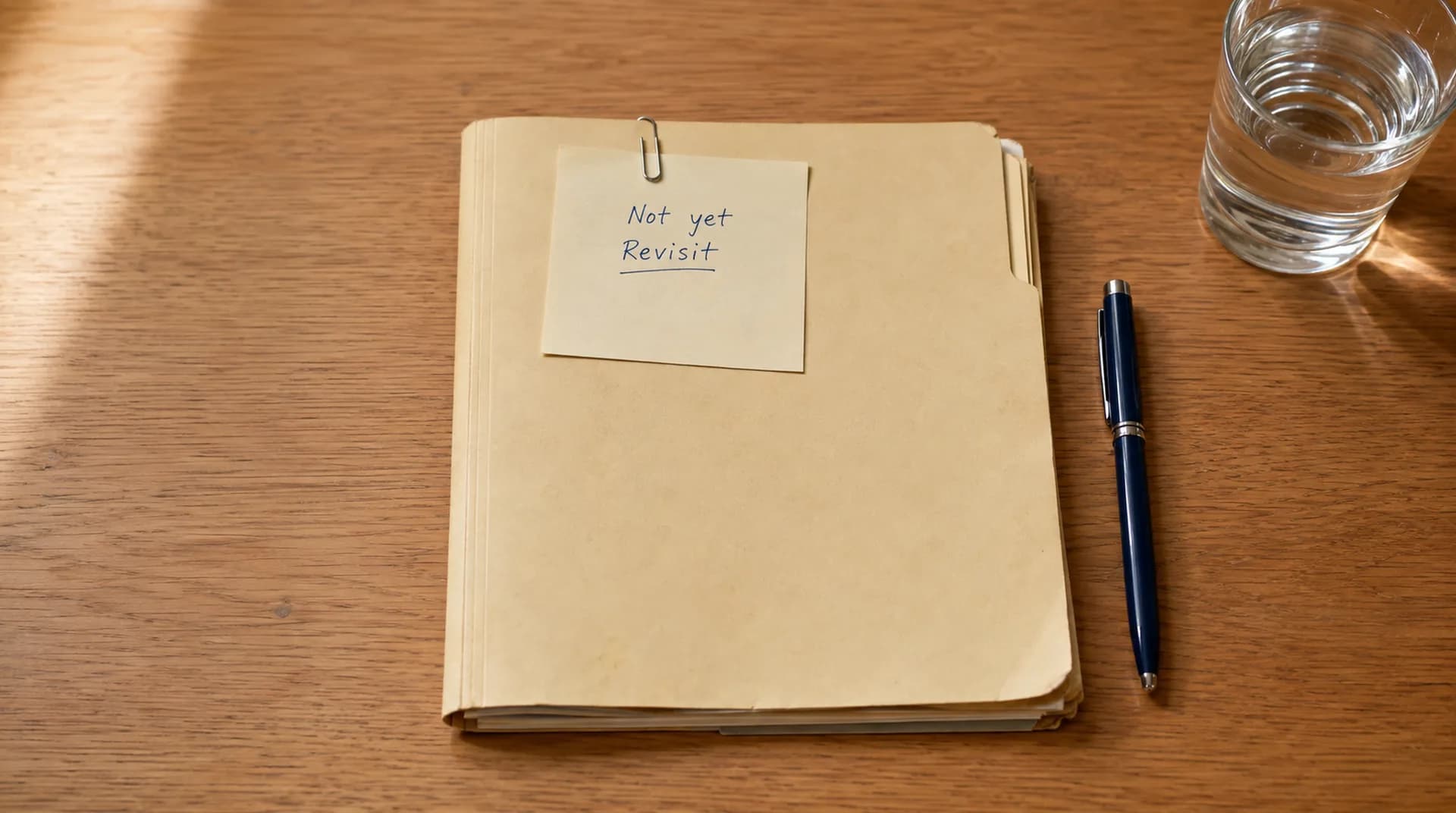
You do not have to turn every consultation into a booking. Waiting can give facial growth more time, allow a health issue to be assessed, make support easier to arrange, or help you decide whether the goal is stable. You can return to the conversation later with better questions. If the answer is not yet, that is not indecision to hide. It is information about the conditions around the decision.
A change in timing also matters for travel. A flight, hotel, leave request, or payment should not force you to continue when the clinical plan is unclear. If you need more information, ask the treating team what is missing and keep the non-clinical arrangements flexible until the clinical decision is made.
Questions to ask about age and timing
- Has my facial growth and general health been assessed for this decision?
- What health history, medicines, allergies, breathing symptoms, or previous injury do you need to review?
- Are my goals realistic, and what limits or alternatives should I understand?
- What would make you recommend waiting, staging, or not having surgery?
- How will the early recovery and later refinement affect work, study, travel, and support?
- What follow-up do I need before flying home and after returning to Oman?
- Who gives clinical instructions and who should I contact if a concern appears?
- Which parts of the travel plan should remain flexible until the clinical decision is complete?
Plan from Oman without forcing the timing
If you are considering rhinoplasty in Iran, start with the rhinoplasty coordination page, then read the consultation guide, the pre-travel checklist, and the follow-up guide. Aysara can help organize non-clinical communication and travel coordination. Nikan and the treating surgeon assess suitability, explain clinical care, obtain consent, and direct follow-up.
The right age is not a search result and the right date is not a marketing deadline. A responsible decision has enough clinical information, personal readiness, practical support, and time to change course. If one of those is missing, keep the folder closed, ask the next question, and wait until the decision is genuinely yours.
Sources
- AAFPRS: Nasal cosmetic surgery and rhinoplasty (accessed 2026-09-06)
- ASPS: Rhinoplasty candidates (accessed 2026-09-06)
- ASPS: Rhinoplasty consultation (accessed 2026-09-06)
- ASPS: Summer-break surgery and timing for younger rhinoplasty patients (accessed 2026-09-06)
- ASPS: Rhinoplasty recovery (accessed 2026-09-06)
- Aysara internal provider and non-clinical coordination records
Related articles

Rhinoplasty
Am I a Candidate for Rhinoplasty? What a Surgeon Assesses
What a rhinoplasty candidacy assessment covers, what a surgeon checks, and why suitability requires history, examination, and any needed tests.

Rhinoplasty
Rhinoplasty Consultation: Questions to Ask Before You Decide
A rhinoplasty consultation checklist covering candidacy, risks, consent, recovery, travel follow-up, and the itemized quote.

Rhinoplasty
Rhinoplasty Recovery, Week by Week
Rhinoplasty recovery timeline: what may change from the first week through the first year, and which questions belong with your treating surgeon.
Need help planning a trip?
Start with a short message by phone, email, or WhatsApp. Do not send medical documents through the first-contact form.