
Rhinoplasty
Primary vs Revision Rhinoplasty: Why the Difference Matters
Primary vs revision rhinoplasty: how previous surgery changes assessment, records, expectations, and the questions to ask before another operation.
The short answer is that revision rhinoplasty should not be treated as primary surgery with one extra question. A surgeon planning a first operation is assessing the existing structure and the person's goals. A surgeon assessing a possible revision must also understand what was previously changed, what has healed, what support remains, what symptoms exist, and what the patient hopes to change now. That is why a complete consultation and previous records are important before anyone discusses a surgical plan.
People seek further assessment for many reasons. They may be concerned about appearance, breathing, an injury, healing, or a combination of functional and cosmetic concerns. Being unhappy with an earlier result is a real concern, not a reason to blame yourself. It is also not proof that another operation will solve every concern. A second decision needs a careful explanation of possible benefit, limitations, alternatives, risks, and follow-up.
What is primary rhinoplasty?
Primary rhinoplasty is the first rhinoplasty on the nose. It is still an individualized operation, not a standard template. The consultation may cover the appearance and function of the nose, general health, medicines, smoking, allergies, previous injury, and the goals the patient can describe. The surgeon may examine the nose and face from several views, take photographs, explain options, and discuss risks and likely limits before consent.
Primary does not mean simple, and it does not mean that a particular technique or result is automatic. A nose can have more than one structural issue, and the patient's health and expectations matter. The American Society of Plastic Surgeons advises patients to discuss goals for appearance and breathing, medical history, previous treatment, options, risks, and expected outcomes during consultation. The purpose is to build a plan around the individual, not to select a result from a catalogue.
What is revision rhinoplasty?
Revision rhinoplasty is a new assessment and possible operation after earlier nasal surgery. The previous operation may have altered bone, cartilage, skin, soft tissue, the septum, or the support of the tip and bridge. Scar tissue can affect examination and healing. There may also be less septal cartilage available, or the surgeon may need to discuss whether additional support would be required. These are reasons the assessment can be more complex, not a way to predict what will happen in your case.
A 2021 retrospective comparison found that revision patients may present with aesthetic concerns, functional concerns, or both, and that revision planning can involve more complex reconstructive decisions than primary cases. An American Society of Plastic Surgeons explanation also warns that scar tissue and previously removed or deficient cartilage can limit what a later operation can achieve. These sources describe planning challenges. They do not make a personal recommendation or promise a correction.
Why previous records matter
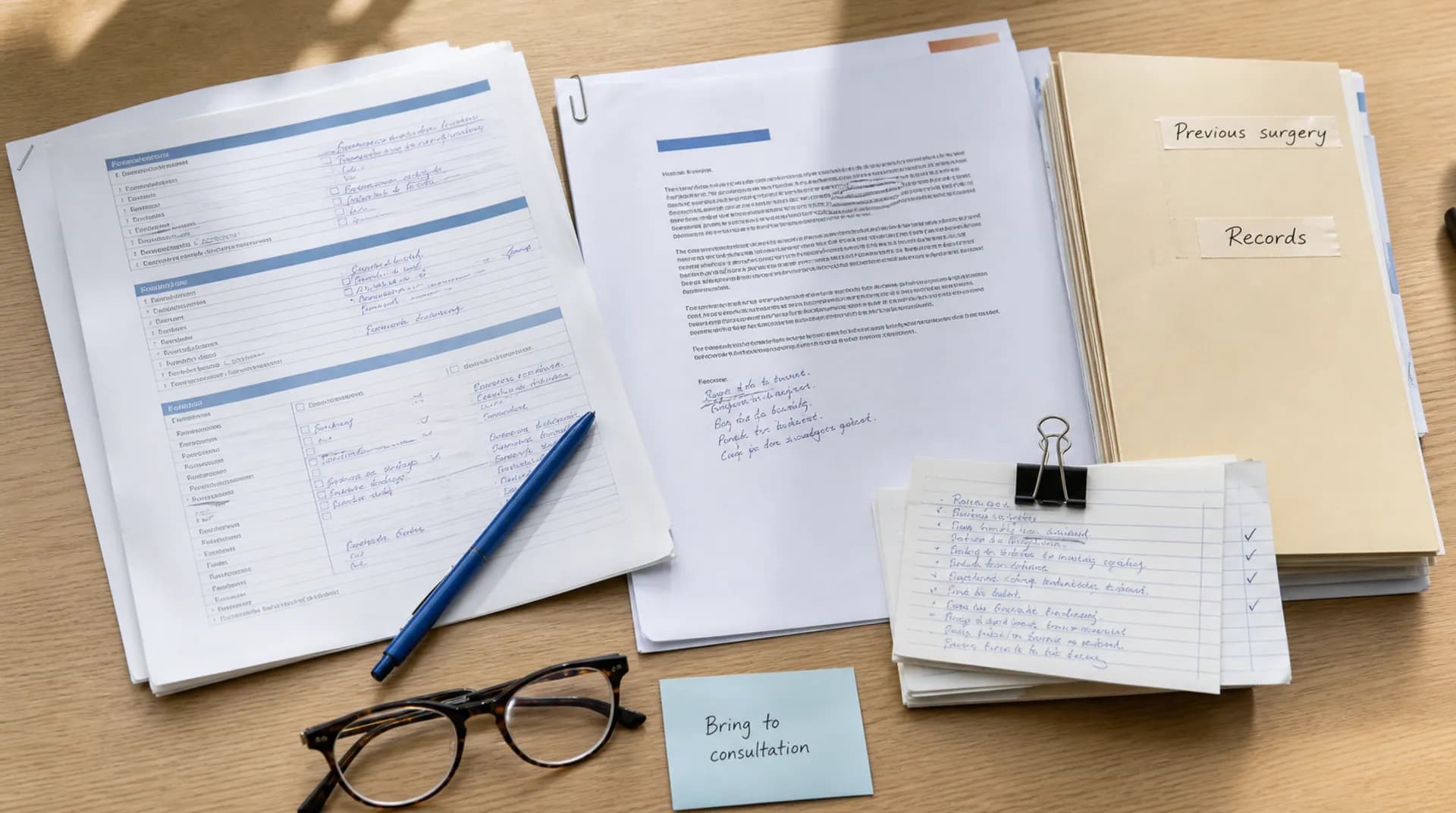
If you have had nasal surgery, collect the documents you can access before the consultation. Useful material may include the operative report, discharge summary, clinic letters, photographs taken before or after the operation, imaging reports, and a list of medicines or treatments. Bring the original wording where possible. A short description such as they changed my nose may leave important details out, while the surgeon needs to know what was done and when.
Tell the surgeon about the result you expected, what you notice now, when the change began, and whether there is blockage, pain, discharge, trauma, or another symptom. Do not edit your history to make it sound easier. Prior surgery is not a failure of communication, and accurate history helps the clinician assess options and risks. If records are missing, say so. The surgeon can explain what can and cannot be assessed without them.
The examination is more important than the label
A person cannot confirm from a mirror whether a concern needs revision. A surgeon may evaluate the skin and soft tissue, the bridge and tip, the septum and airway, asymmetry, scar tissue, prior grafts or support, facial balance, and the health factors that affect another operation. The exact assessment depends on the history and examination. A photograph can start a conversation, but it cannot replace the clinical review.
The timing of a possible revision is also case-specific. Healing and swelling may still be changing, or a surgeon may need more information before advising. There is no single online waiting period that applies to every patient. Ask the treating surgeon whether the nose is ready to assess, whether more healing or investigation is needed, and what would make the team defer or change the plan.
Expectations after an earlier operation
A revision consultation should name both the hoped-for change and the limits. The surgeon may explain that a concern can be improved, partly addressed, observed, or not safely changed in the way the patient imagines. No ethical article can promise an exact correction, and no reference image can promise the same result on another face. The decision should include risks, alternatives, uncertainty, and how concerns will be managed if healing does not follow the expected course.
The natural or defined result guide can help you put vague words into clearer questions. The risks and warning signs guide explains why risk discussion belongs in consent. The consultation question list helps you turn the record review into a focused appointment. None of these articles can decide whether revision is appropriate, and none should be used to compare your healing with another person's.

Revision and medical travel from Oman
A possible revision needs a particularly clear cross-border plan. Before travelling, ask who reviews your records, who performs the assessment, what the proposed scope is, which risks and alternatives were discussed, how long the clinical team expects to follow you, and what happens if the answer is to wait or not operate. Ask for the responsibilities, exclusions, and financial arrangements to be written in the patient-specific documents.
Current Aysara public scope does not present revision rhinoplasty as a confirmed Nikan service. If you have had previous nasal surgery, tell the coordinator and ask for the case to be assessed before treating the journey as available. Do not assume that a general rhinoplasty route, a quoted procedure, or a travel arrangement includes revision surgery, complication care, or the cost of another operation. Those responsibilities must be clarified in writing for the individual case.
Questions for a revision consultation
- What did you learn from my previous operation and examination?
- Which concerns are functional, cosmetic, or both, and what assessment supports that distinction?
- What structures and support remain, and how could scar tissue or missing cartilage affect planning?
- What can the proposed treatment reasonably address, and what may remain unchanged?
- Is more healing, investigation, or record-gathering needed before a decision?
- What alternatives, risks, warning signs, and follow-up responsibilities should be written down?
- Who performs the assessment and treatment, and what does the patient-specific quote include and exclude?
- If I return to Oman, who is the clinical contact and what is the route for an urgent concern?
Aysara's role in the conversation
Aysara can help organise non-clinical communication, travel questions, records, and the request for a written package. Nikan and its licensed clinicians make the clinical assessment, recommendation, consent, treatment, and aftercare decisions. Aysara's current public rhinoplasty route does not establish that revision is suitable or included for a particular patient. The clinical team must review the case.
Start with the Oman rhinoplasty planning guide, then use the rhinoplasty consultation question list to prepare the record review. The rhinoplasty coordination page is the route for non-clinical questions about what information is needed. Send complete records through the agreed private route, not through a public comment or marketing form. A calm, documented decision is more useful than rushing to correct a result that has not yet been clinically assessed.
Sources
- PubMed: differences between primary and revision rhinoplasty (accessed 2026-09-06)
- American Society of Plastic Surgeons: understanding revision rhinoplasty (accessed 2026-09-06)
- American Society of Plastic Surgeons: rhinoplasty consultation (accessed 2026-09-06)
- NHS: nose reshaping (rhinoplasty) overview (accessed 2026-09-06)
- Aysara internal content record: rhinoplasty scope and revision boundary
- Aysara internal provider record: Nikan international-patient coordination
- CDC Yellow Book: Medical Tourism (accessed 2026-09-06)
Related articles

Rhinoplasty
How to Plan Rhinoplasty Travel from Oman: A Practical Guide
A rhinoplasty travel checklist from Oman to Iran covering case review, surgeon and hospital checks, quotes, travel documents, and follow-up.

Rhinoplasty
Rhinoplasty Consultation: Questions to Ask Before You Decide
A rhinoplasty consultation checklist covering candidacy, risks, consent, recovery, travel follow-up, and the itemized quote.
Rhinoplasty
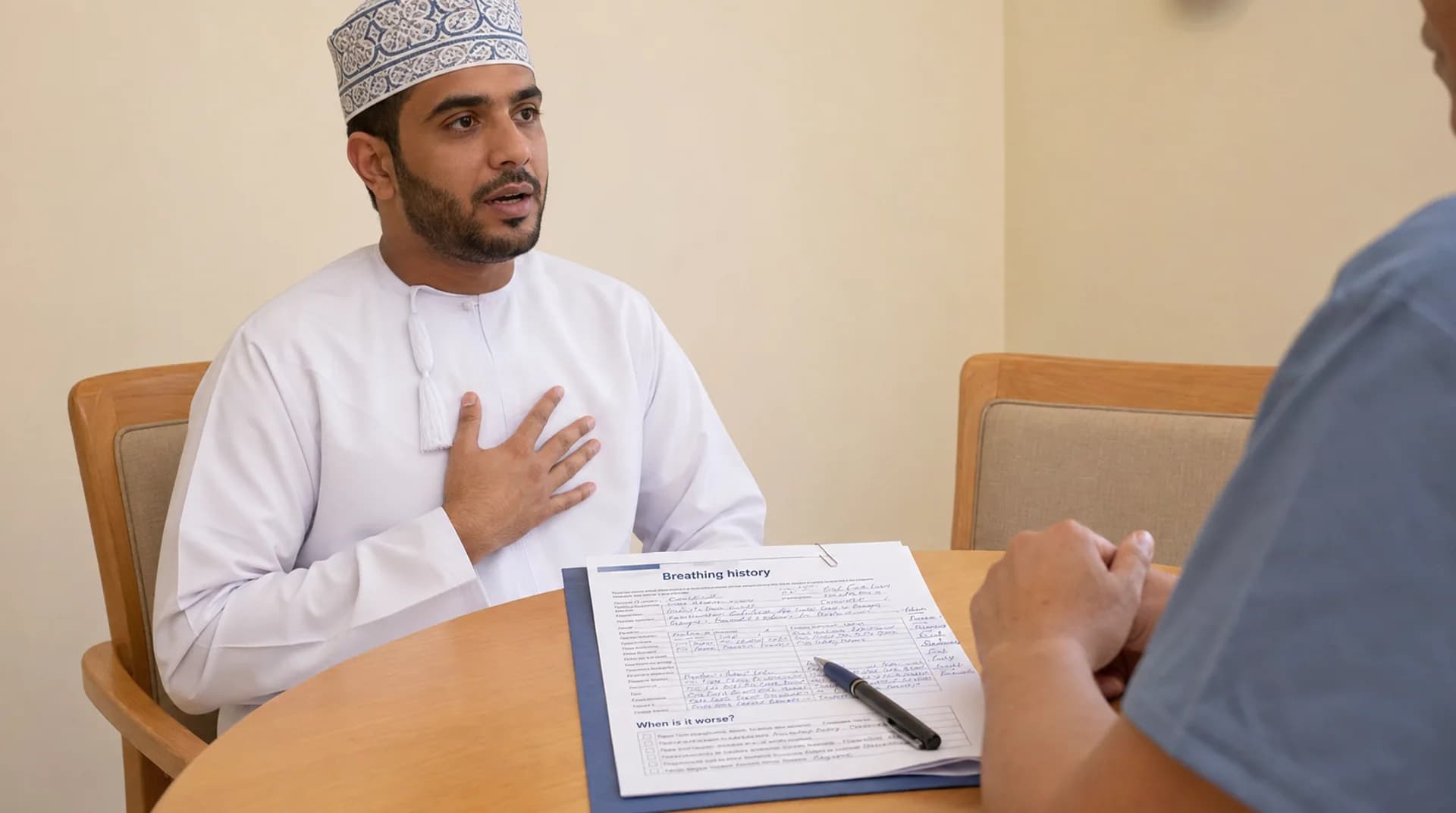
Rhinoplasty and Breathing: What Needs Clinical Assessment?
How to separate cosmetic goals from breathing concerns, prepare a useful symptom history, and discuss functional assessment with a treating clinician.
Need help planning a trip?
Start with a short message by phone, email, or WhatsApp. Do not send medical documents through the first-contact form.