Rhinoplasty
Rhinoplasty Aftercare: Nose Tape, Splints, and Daily Care
Rhinoplasty aftercare explained: nose tape, splints, daily care, warning signs, and follow-up for patients travelling from Oman.
The short answer is simple: do not remove, replace, wet, press, clean, or add anything around the nose just because a general guide says it is common. A splint or tape may be supporting the nose while early healing begins, and the wrong handling can disturb that plan. Follow the discharge instructions from your treating surgeon, and ask before you improvise.
Aftercare is easier when it is written in the same practical language as the day itself. You want to know what to do when you wake up, what to keep away from the nose, how to protect the splint, when to attend follow-up, and who to contact if something changes. The details are personal. This article helps you prepare questions and a calm routine, not replace the instructions for your case.
What are tape and a splint for?
A splint or bandage may be placed inside or outside the nose to support and protect structures during initial healing. Tape can help hold an external splint in place. Some operations use one arrangement, some use another, and some patients receive packing or dressings as well. The appearance of the materials does not tell you what you should do with them. Only the treating team can give the removal and care instructions.
The splint is not a signal that you should judge the final shape. Early swelling, bruising, congestion, numbness, and stiffness can change how the nose looks and feels. A splint supports the early phase; it does not make a promise about the final result. The recovery guide explains why healing continues after the first visible dressing is removed.
What might an ordinary aftercare routine contain?
Your written instructions may cover how to keep the surgical area protected, which medicines or products are approved, how to sleep and rest, how to manage the first few days, and when you will be reviewed. They may also explain what to watch for in your general health. The American Society of Plastic Surgeons advises patients to ask when dressings and stitches are removed, when normal activity and exercise can resume, and when follow-up occurs.
General patient guidance commonly includes resting with the head elevated, avoiding pressure on the nose, avoiding nose blowing until the surgeon allows it, and avoiding strenuous activity or contact sports until cleared. The right timing varies. Even a familiar instruction can be wrong for your operation if you apply it without checking. Treat online timelines as prompts for questions, never as permission.
Protect the splint and the healing nose
Ask whether the splint may get wet, how to wash around it, whether you should sneeze with your mouth open, and whether any crust or drainage should be left alone. Do not pick at the nose, remove tape, trim a dressing, or apply an ointment because it was recommended to someone else. If the splint loosens, becomes wet, or causes a problem, use the contact route in your discharge plan rather than trying to repair it yourself.
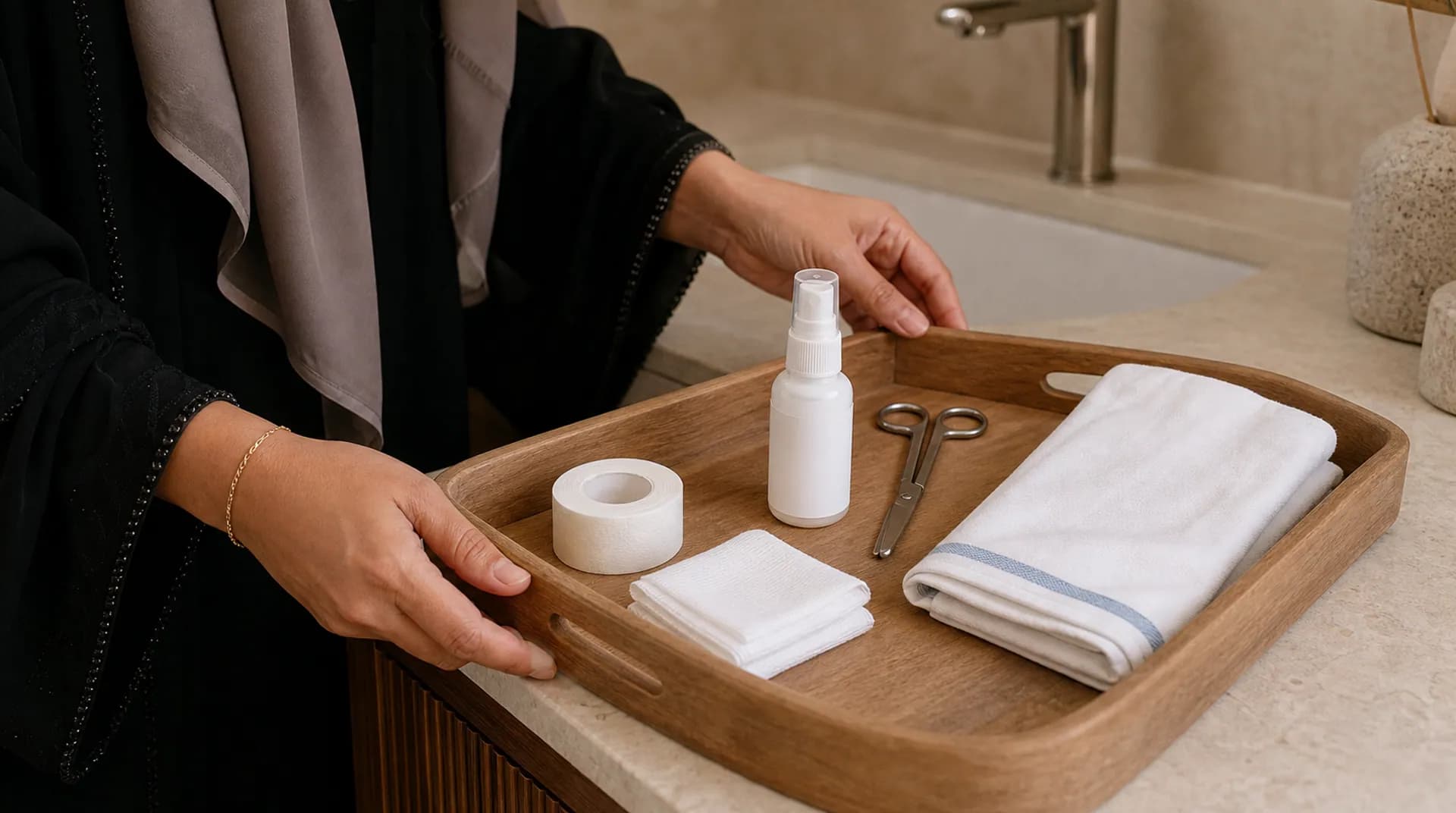
A clean tray can be useful for the items your team has actually approved. Gauze, a saline product, tape, scissors, or a fresh pillowcase may appear in a plan, but the presence of an item is not an instruction to use it. Product strength, frequency, application method, and timing belong to the treating surgeon. Keep medicines and sprays in their original packaging and away from children.
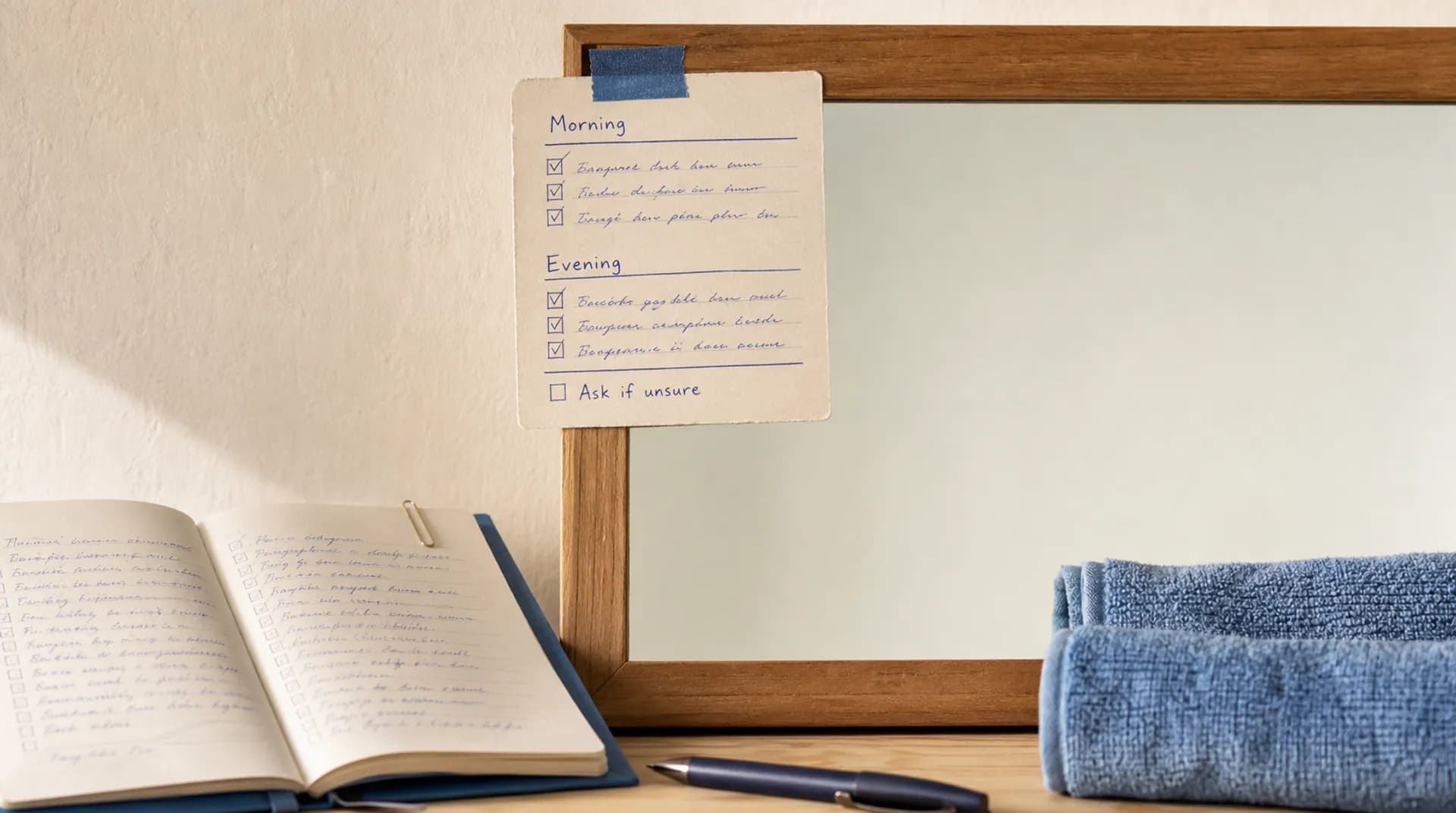
Build a morning and evening checklist
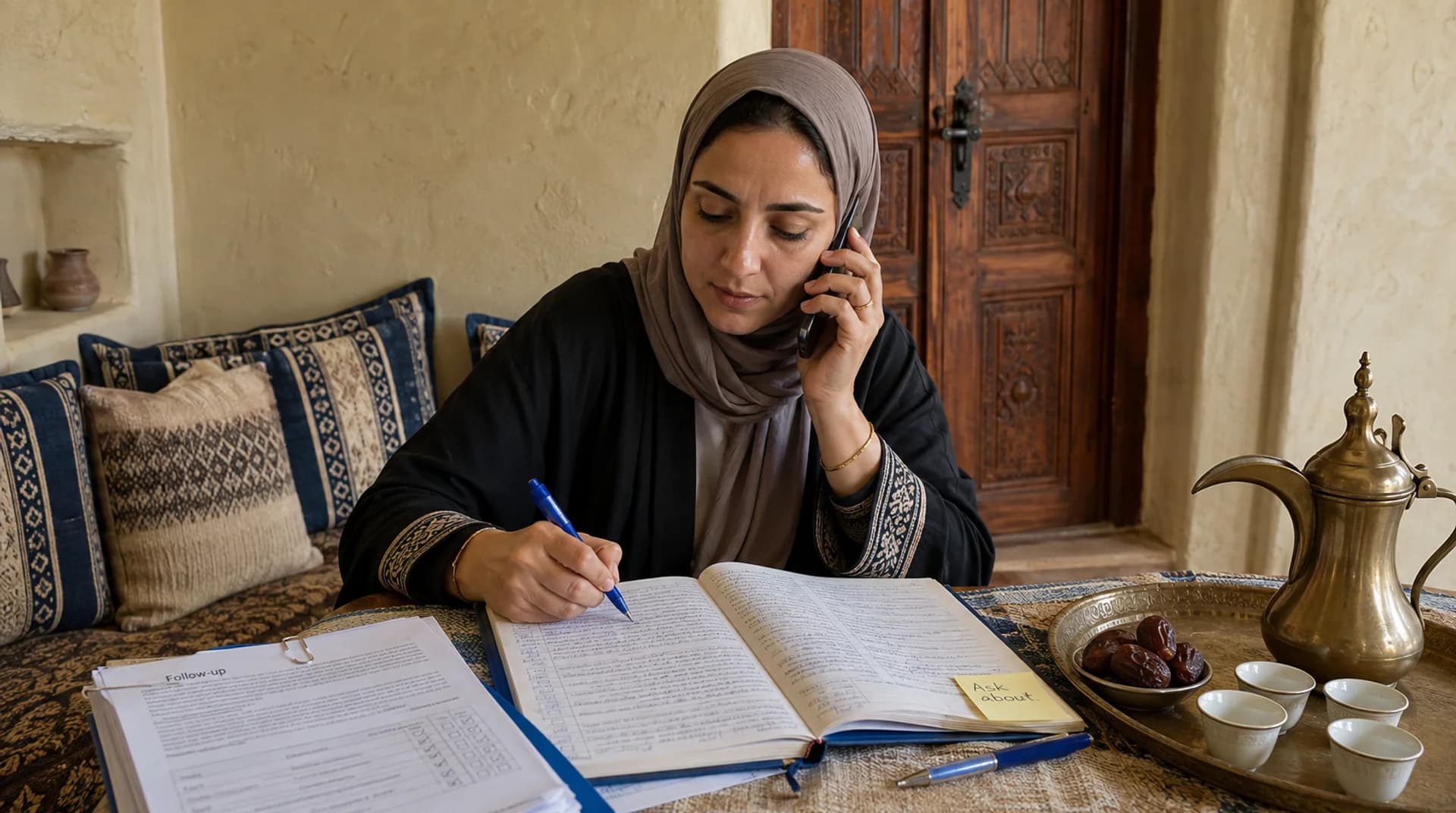
A short checklist can reduce the temptation to rely on memory when you are tired or congested. Copy the exact instructions from your treating team into your own words only after you understand them. Leave space for questions, the next appointment, and the contact route. Do not add a new treatment to make the checklist look complete. A good checklist records what was prescribed, what was done, and what needs clarification.
- Check the written instructions before touching the splint, tape, or surgical area.
- Take only the medicines and use only the products the treating team approved for you.
- Keep the nose protected from pressure, bumps, smoke, dust, and unapproved cleaning.
- Record a new concern and contact the team rather than changing the routine on your own.
- Keep the follow-up date, discharge documents, and emergency route easy to find.
Breathing, drainage, and the first days
Temporary nasal congestion, mouth breathing, light drainage, soreness, bruising, and swelling can occur after rhinoplasty. NHS guidance notes that breathing through the nose may be difficult for about a week and that light nosebleeds may occur in the first few days. ENT Health notes that congestion can take weeks to settle and that persistent bleeding or drainage should be reported to the surgeon.
These descriptions are not a test for your own recovery. A symptom that is mild for one patient may need attention in another, and the operation, medicines, and health history matter. Ask the treating team what they consider expected for you, what trend is concerning, and whether they want a photograph or an examination. Never push through severe breathing difficulty or heavy bleeding because an online guide mentioned congestion or drainage.
Work, exercise, and ordinary life
Returning to work, school, exercise, swimming, driving, or social activity is not decided by the tape alone. It depends on your condition, the operation, the medicines you are taking, your environment, and the surgeon's assessment. Limit heavy lifting, dusty or smoky environments, and any activity that could bump the nose until the treating team clears it. Contact sports may require a longer pause than ordinary walking.
If you are travelling from Oman, the recovery plan must include the appointment schedule and the point at which the treating surgeon says flying is appropriate for you. Do not turn a general stay range or a recovery article into permission to book a flight. The rhinoplasty coordination page explains the non-clinical journey, while the treating team decides clinical readiness.
When should you ask the surgeon?
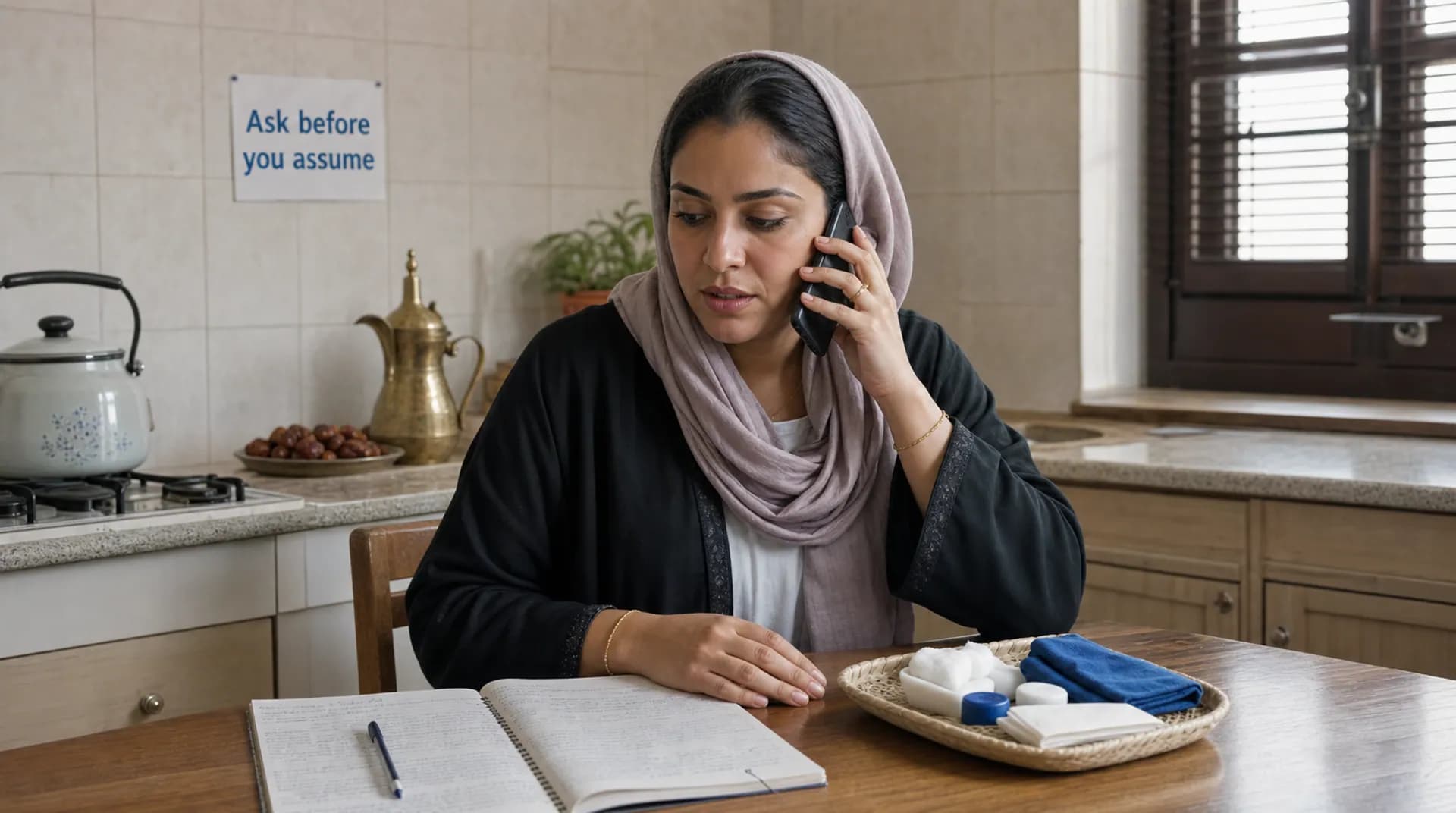
Ask before assuming when a strip lifts, the splint feels uncomfortable, drainage changes, a medicine causes a concern, or you are unsure whether an activity is safe. Contact the treating team if bleeding or drainage does not settle as instructed, if swelling or pain is worsening, or if you develop fever, increasing redness, or a new breathing problem. The risk article in this series, rhinoplasty risks and warning signs, explains why early contact matters.
Aftercare when you are away from the treating team
Cross-border aftercare needs a named route. Before leaving Iran, ask who gives your discharge instructions, who answers a clinical question, how the surgeon is contacted outside clinic hours, where you attend if an examination is urgent, and what documents you should show a clinician in Oman. CDC medical-tourism guidance also recommends taking copies of your medical records home and seeking care without delay if you suspect a complication. Ask which parts of the package cover coordination and which responsibilities or costs are still unresolved. Keep the answer in writing.
On Aysara's current route, Dr. Sara Arjang and Nikan provide the clinical assessment, treatment, and aftercare. Nikan supplies English and Arabic translators for international patients. Aysara coordinates non-clinical travel and communication; it does not change medication, diagnose a symptom, or replace an emergency department. If you are in Oman and an emergency is happening, use local emergency services first, then notify the agreed treating contact when you are safe.
Questions to write down before discharge
- How long should the splint and tape stay in place for my operation?
- May the splint get wet, and how should I wash around it?
- Which medicines, sprays, gauze, or ointments are approved, and how should I use them?
- When may I blow my nose, exercise, swim, work, sleep normally, or wear anything that touches the nose?
- Which bleeding, drainage, pain, fever, swelling, or breathing change needs a same-day call?
- Who answers after I return to Oman, and what should I do outside ordinary clinic hours?
A routine should make instructions clearer
Tape and splints are temporary parts of a healing plan, not a shortcut to a predicted result. Keep the routine simple, follow the treating surgeon's written instructions, and ask before changing anything. For the wider timeline, read rhinoplasty recovery week by week. For the travel and coordination steps, start with the Oman rhinoplasty planning guide. Aysara can help organise the non-clinical route; clinical instructions come from the treating team.
Sources
- NHS: nose reshaping (rhinoplasty) overview (accessed 2026-09-01)
- American Society of Plastic Surgeons: rhinoplasty recovery (accessed 2026-09-01)
- ENT Health: rhinoplasty patient FAQs (accessed 2026-09-01)
- American Society of Plastic Surgeons: rhinoplasty risks and safety (accessed 2026-09-01)
- CDC Yellow Book: medical tourism and continuity of care (accessed 2026-09-06)
- Aysara internal provider record: Dr. Sara Arjang aftercare and international-patient support
- Aysara internal provider record: Nikan translation and follow-up support
Related articles

Rhinoplasty
Rhinoplasty Recovery, Week by Week
Rhinoplasty recovery timeline: what may change from the first week through the first year, and which questions belong with your treating surgeon.

Rhinoplasty
How to Plan Rhinoplasty Travel from Oman: A Practical Guide
A rhinoplasty travel checklist from Oman to Iran covering case review, surgeon and hospital checks, quotes, travel documents, and follow-up.
Rhinoplasty
Rhinoplasty Follow-up After Returning to Oman
How to arrange follow-up after rhinoplasty abroad, keep surgeon, hospital, and coordinator roles clear, and prepare your records for care in Oman.
Need help planning a trip?
Start with a short message by phone, email, or WhatsApp. Do not send medical documents through the first-contact form.